
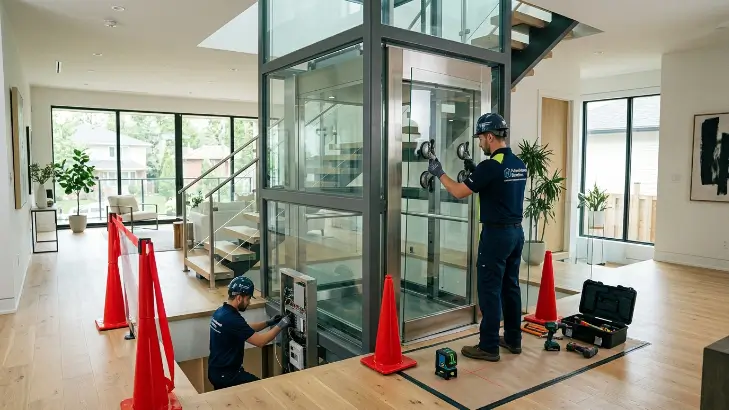
Modern homes are evolving rapidly as homeowners continue to prioritize comfort, convenience, accessibility, and long-term property value. Home design is no longer focused solely on appearance or luxury; instead, functionality has become just as important. Families are planning their homes with future needs in mind, ensuring that every member of the household can move safely and comfortably throughout the property. One feature that has become increasingly popular in residential construction is the home elevator. Once considered a luxury reserved for large estates, residential elevators are now practical additions to many homes, providing both convenience and accessibility while enhancing the overall value of the property.
Advancements in engineering, safety systems, and compact elevator designs have made residential elevators more affordable and easier to install than ever before. Whether someone is building a new house or renovating an existing property, adding a home elevator can significantly improve everyday living while preparing the home for future accessibility needs.
Why Home Elevators Are Becoming More Popular
The demand for residential elevators has increased steadily over the past several years. One of the biggest reasons is the growing number of homeowners planning to age in place. Rather than moving to a single-story home or assisted living community later in life, many people prefer to remain in the homes they already love. Installing a residential elevator allows homeowners to continue using every floor safely without worrying about stairs becoming a challenge.
Families with children, individuals recovering from injuries, and homeowners who frequently move heavy items between floors also appreciate the convenience a home elevator provides. Carrying groceries, luggage, furniture, laundry baskets, or other household items becomes much easier when an elevator is available. Instead of viewing elevators as luxury additions, many homeowners now see them as practical investments that improve daily life.
Benefits Beyond Accessibility
Although accessibility remains one of the primary reasons homeowners choose residential elevators, the advantages extend much further. A well-designed elevator improves convenience throughout the home while adding a sense of sophistication and modern functionality. Multi-story houses become more enjoyable because every level remains easily accessible regardless of physical ability.
Another important benefit is increased property value. Real estate professionals often recognize accessibility features as attractive selling points, particularly as buyers increasingly look for homes that can accommodate changing family needs over time. A professionally installed residential elevator can distinguish a property from similar homes on the market and appeal to a broader range of potential buyers.
Many homeowners also appreciate the added convenience during everyday activities. Transporting shopping bags, holiday decorations, heavy boxes, or cleaning equipment between floors becomes effortless, reducing strain and improving household efficiency.
Understanding Residential Elevator Systems
Modern home elevators are available in several different configurations, allowing homeowners to choose a system that best fits their available space, budget, and architectural design. Hydraulic elevators remain popular because they offer smooth and quiet operation. Pneumatic vacuum elevators provide compact installations requiring minimal structural changes, making them suitable for existing homes where available space may be limited. Cable-driven and machine-room-less systems also continue gaining popularity due to improved efficiency and reduced maintenance requirements.
Each system offers unique advantages depending on the home’s layout and the homeowner’s specific requirements. A qualified elevator contractor can evaluate the property and recommend the most suitable solution based on structural conditions, travel height, and anticipated usage.
Planning Before Installation
Proper planning plays a significant role in the success of any residential elevator project. Homeowners should begin by determining how the elevator will be used both immediately and in the future. Considering long-term accessibility needs ensures that the chosen system continues meeting household requirements for many years.
The available space within the home also influences installation options. New construction projects often provide greater flexibility because elevator shafts can be incorporated into the original architectural plans. Existing homes may require creative modifications, but modern compact elevator systems frequently allow installation without extensive structural reconstruction.
Budget considerations should include not only installation expenses but also future maintenance, inspections, and potential upgrades. Investing in quality equipment and professional installation generally provides better long-term value than selecting the least expensive option available.
Choosing an Experienced Installation Company
Selecting an experienced contractor is one of the most important decisions homeowners make during the installation process. Residential elevators involve mechanical systems, electrical components, structural modifications, and multiple safety features that require professional expertise. Working with an established company helps ensure that the installation complies with local building regulations while maintaining high safety standards.
Homeowners in South Carolina searching for professional Home Elevator installation Beaufort SC services can learn more through CHS Elevators, a company specializing in residential elevator solutions for homeowners throughout the region. Their services and installation information are available at where homeowners can explore available options and learn more about the installation process.
Safety Features in Modern Residential Elevators
Today’s residential elevators incorporate advanced safety technologies designed to protect passengers during everyday operation. Emergency battery backup systems allow elevators to reach the nearest floor during power outages. Door interlock mechanisms prevent movement unless all doors are securely closed, while emergency communication systems provide additional reassurance when assistance is required.
Many elevators also include smooth start-and-stop controls, automatic leveling systems, obstruction sensors, and backup lowering features that improve both safety and comfort. Routine inspections and scheduled maintenance help ensure that these systems continue operating reliably throughout the elevator’s lifespan.
Maintenance and Long-Term Performance
Like any mechanical equipment, residential elevators require periodic maintenance to remain safe and dependable. Professional technicians typically inspect drive systems, cables, safety brakes, electrical components, lubrication points, and control systems during routine service visits. Preventive maintenance identifies small issues before they develop into costly repairs while extending the overall lifespan of the equipment.
Following the manufacturer’s recommended maintenance schedule also helps preserve warranty coverage and maintain optimal performance. Homeowners who prioritize regular servicing generally experience fewer unexpected breakdowns and enjoy more reliable daily operation.
Energy Efficiency and Modern Technology
Recent innovations have significantly improved the energy efficiency of residential elevators. Modern drive systems consume less electricity than earlier generations while operating more quietly and smoothly. LED cabin lighting, standby power modes, regenerative drive technology, and efficient motors contribute to lower operating costs without compromising performance.
Smart home integration is also becoming increasingly common. Some residential elevators now support remote diagnostics, touchscreen controls, customizable lighting, and integration with broader home automation systems. These technological improvements enhance convenience while supporting more efficient system monitoring and maintenance.
Is a Home Elevator Worth the Investment?
The value of a residential elevator depends largely on the homeowner’s priorities and long-term plans. Families intending to remain in multi-story homes for many years often find that an elevator significantly improves comfort and accessibility. The convenience of effortless movement between floors, combined with increased property appeal, frequently justifies the investment.
Beyond financial considerations, many homeowners value the independence a residential elevator provides. Individuals with temporary injuries, mobility limitations, or aging family members can continue enjoying every part of the home safely and comfortably without relying exclusively on stairs.
Final Thoughts
Residential elevators have evolved from luxury amenities into practical home improvement solutions that enhance accessibility, convenience, and long-term property value. Modern technology has made installation more efficient, maintenance more manageable, and operation safer than ever before. Whether incorporated into a newly constructed home or added during a renovation project, a professionally installed elevator can improve everyday living while preparing a property for future needs.
When planning a home elevator installation, homeowners should prioritize quality equipment, experienced installation professionals, and ongoing maintenance to ensure reliable performance for years to come. For homeowners researching Home Elevator installation Beaufort SC, CHS Elevators provides valuable information and professional residential elevator services designed to meet the accessibility and mobility needs of modern households.
 IQnewswire