
Key Takeaways
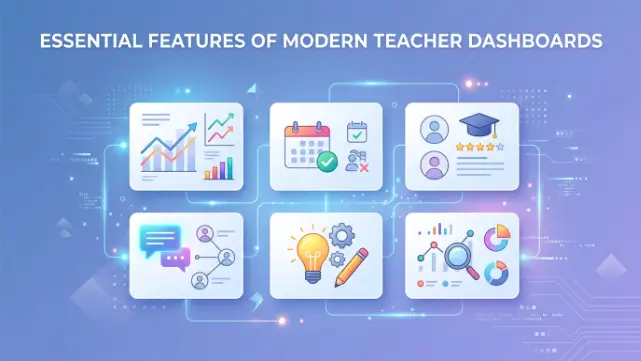
- Personalized dashboards deliver real-time updates on student and classroom metrics.
- Seamless LMS integration reduces manual work and enhances data flow.
- Advanced analytics support data-driven teaching methods.
- Built-in communication functions promote classroom and parent collaboration.
- Mobile compatibility ensures flexibility and responsiveness.
- Data security and privacy are central to trustworthy classroom technology.
- Customizable, scalable dashboards adapt to diverse educational needs.
In today’s rapidly evolving educational landscape, technology plays a pivotal role in enhancing both teaching and learning. The effectiveness of tools like a teacher dashboard is measured by their ability to streamline daily tasks and provide educators with valuable insights.
As schools strive to create engaging, efficient, and secure environments, the demand for advanced dashboard solutions continues to rise. These platforms equip teachers with the means to manage classrooms, monitor student progress, and foster better communication, all from a single interface. Teacher dashboards are now more than just organizational tools. With intuitive layouts and robust features, they help educators address challenges such as personalized learning and efficient classroom management.
A well-designed dashboard not only displays information but also empowers teachers to act effectively on real-time data and adjust their approach to meet students’ needs. As schools adopt more digital resources, the importance of integrated, comprehensive dashboard tools grows. Maximizing the value of technology in education hinges on the dashboard’s flexibility and intelligence.
Teachers benefit from having actionable insights at their fingertips, reducing their workload while allowing more time for meaningful instruction. These positive outcomes result when dashboards aggregate data from diverse sources, present it clearly, and support collaboration in the learning community.
With continuous advancements in educational technology, the role of the teacher dashboard is only set to expand. Whether facilitating parent-teacher communication, flagging learning gaps, or supporting mobile classroom management, modern dashboards lay the foundation for effective teaching and measurable student success.
Personalized Dashboards with Real-Time Updates
Personalized teacher dashboards serve as dynamic command centers for classroom management. Teachers receive instant access to up-to-date records on grades, attendance, and assignment status. This unified platform allows educators to spot trends, identify students who need extra help, and optimize their workflow without switching between multiple tools or applications. Real-time updates not only increase productivity but also enable intervention before small challenges grow into larger issues.
Seamless Integration with Learning Management Systems
Another cornerstone feature is seamless integration with Learning Management Systems (LMS). By linking dashboards to these central repositories, data on assignments, participation, and critical milestones automatically syncs. This automation reduces manual input and the potential for error, empowering teachers to devote more energy to lesson planning and student engagement. Industry research consistently underscores the importance of interoperability in educational technology, helping unify digital environments and enhance overall efficiency.
Advanced Analytics and Reporting Tools
Modern dashboards are characterized by sophisticated analytics that extract actionable information from raw data. Teachers benefit from visualizations such as heat maps, trend lines, and individualized reports, offering a clear picture of student comprehension and classwide performance. This data-driven approach helps identify learning gaps or at-risk students early, allowing educators to tailor instruction and interventions in real time. By leveraging analytics, schools can also monitor progress on a broader scale, making informed decisions that improve curriculum and resource allocation.
Effective Communication Tools
Collaboration is at the heart of student success, and effective dashboards provide a suite of communication options. Embedded chat systems, discussion boards, and secure parent messaging keep all stakeholders informed and engaged. Prompt announcements and feedback foster transparency between teachers, students, and caregivers, supporting a positive culture where questions and input are encouraged. Streamlined communication reduces misunderstandings and strengthens the classroom community.
Mobile Accessibility for On-the-Go Management
Mobile-first design is no longer optional, as it is essential. Today’s educators need access to classroom tools wherever they go, whether in the halls, during field trips, or while working from home. Mobile-accessible dashboards enable teachers to enter grades, respond to messages, and view key statistics from any device, increasing flexibility and enabling timely decision-making regardless of location.
Enhanced Security and Data Privacy
Protecting student data is a primary responsibility for educational institutions. Modern teacher dashboards must incorporate robust security measures, including encryption, role-based access controls, and compliance with regulations such as FERPA. Regular audits and transparent privacy policies build confidence among teachers and families, ensuring that sensitive information remains protected. Prioritizing privacy helps schools uphold ethical and legal obligations.
Customization and Scalability
No two schools or classrooms are exactly alike. Effective dashboards must offer deep customization, empowering administrators to adjust settings, display relevant metrics, and integrate appropriate modules tailored to unique institutional needs. Scalability ensures platforms grow with classrooms, districts, or entire school systems, handling increasing users or expanded features without sacrificing reliability or performance.
Conclusion
The right teacher dashboard can dramatically enhance the educational experience. Features such as personalized views, LMS integration, insightful analytics, and secure communication promote a more connected, informed, and effective teaching environment. These tools not only simplify administration but also create opportunities for early intervention and continued improvement. As education continues to evolve, embracing comprehensive, adaptable dashboards will be critical to supporting teachers and helping every student succeed.
 IQnewswire