
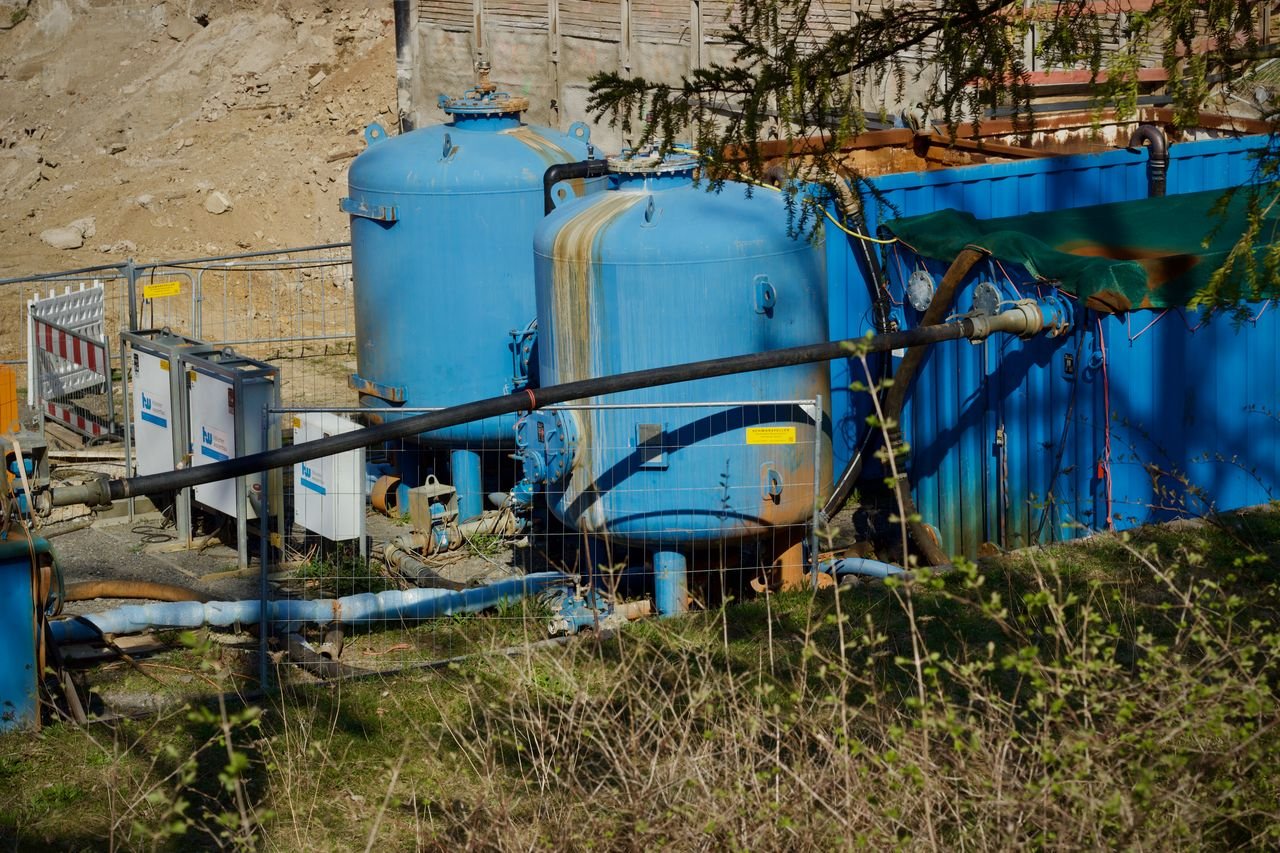
Modern commercial and industrial facilities face growing pressure from stringent environmental regulations, rising utility costs, and corporate sustainability mandates. Operations that rely heavily on daily vehicle wash bays, fleet maintenance facilities, heavy machinery pressure washing, and equipment rental hubs generate massive volumes of contaminated wash water. Simply letting thousands of gallons of municipal water flow down the drain—or worse, risking non-compliance fines by releasing contaminated runoff—is no longer a viable operational strategy.
To protect profits and natural resources, forward-thinking enterprises are turning to closed-loop water infrastructure. Investing in high-efficiency commercial wash water recycling systems allows industrial operations to recover, purify, and reuse up to 90% of their wash water on-site. Built on over four decades of global field experience, Freylit USA engineers advanced wash water reclaim units and oil-water separation systems designed to deliver environmental compliance, reduce freshwater expenses, and keep operations running uninterrupted without relying on harsh chemicals or complex maintenance protocols.
-
The Operational and Financial Case for Water Reclamation
Managing contaminated wash water is both a regulatory obligation and a major expense. Transitioning to an on-site recycling model shifts wastewater from a costly liability into a sustainable operational loop.
Slashing Utility Costs and Resource Consumption
Freshwater and sewer utility fees continue to escalate nationwide. Facilities operating high-volume wash bays—such as commercial car washes, transit bus depots, municipal fleets, and heavy equipment rental yards—consume tens of thousands of gallons of water daily. Advanced recycling systems drastically lower utility bills by continuously capturing, filtering, and re-supplying treated wash water back to high-pressure washers and automated wash arches.
By recycling the majority of process water, operations achieve significant cost reductions while shielding their bottom line from municipal water rate spikes and drought-related utility restrictions.
Ensuring Bulletproof Regulatory Compliance
Discharging untreated wash water containing hydrocarbons, heavy metals, suspended solids, and detergents into local storm drains or municipal sewer systems violates Clean Water Act standards and local environmental ordinances. Non-compliance results in severe financial penalties, operational shutdown orders, and long-term brand damage.
On-site water treatment systems provide reliable effluent control. Closed-loop setups contain all runoff within a dedicated treatment circuit, helping facilities satisfy EPA regulations and local discharge permits without hassle.
-
Chemical-Free Water Treatment: How Advanced Filtration Works
Traditional water reclamation systems often rely on chemical additives, ozone generators, or enzyme treatments to control biological growth and break down contaminants. However, chemical-heavy approaches introduce ongoing consumable costs, complex maintenance requirements, and potential hazards for site personnel. Freylit USA changes this paradigm by utilizing physical-electrical separation and advanced mechanical filtration.
Eliminating Odors Without Harsh Chemicals
A common issue in early-generation wash water reclaimers was the development of foul odors caused by anaerobic bacteria thriving in stagnant water tanks. Older systems tried to fight this with harsh chemical biocides or high-maintenance ozone units.
Modern chemical-free systems solve this challenge through specialized two-stage electrical-physical degerming processes. By disrupting bacterial cells without adding chemicals, these systems keep recycled water fresh, clean, and odor-free—creating a safer working environment for equipment operators while eliminating ongoing chemical purchases.
Low-Maintenance Multi-Stage Filtration
Equipment longevity depends on removing fine abrasive particles like sand, grit, and metallic dust from recycled water before it re-enters high-pressure pumps. Systems utilizing hydrocyclones, dissolved air flotation (DAF), and automated backflushing filters effectively drop out suspended solids without requiring constant manual filter cartridge replacements. This design keeps routine maintenance requirements down to quick, periodic inspections rather than labor-intensive filter changes.
-
The Vital Role of High-Efficiency Oil-Water Separators
For facilities handling fleet vehicles, construction equipment, or industrial machinery, wash water is heavily contaminated with petroleum hydrocarbons—including motor oil, diesel fuel, hydraulic fluid, and grease. Removing these un-emulsified and emulsified oils is vital before water can be safely recycled or discharged.
Corrugated Coalescing Plate Technology
Gravity separation alone is often too slow to handle high flow rates. Advanced separation systems use oleophilic (oil-attracting) corrugated horizontal coalescing plates. As oily water flows through the plate pack, tiny oil droplets bind to the plate surfaces, merge into larger droplets, and rise rapidly to the surface where they can be skimmed off automatically.
High-grade polypropylene coalescing plates feature service lifespans exceeding 20 years, resisting rot, chemical degradation, and clogging while maintaining consistent oil separation efficiency.
Compact Footprint for Modular Installation
Space is often at a premium in busy wash bays, service garages, and industrial plant floors. Modern coalescent plate separators offer a compact footprint compared to bulky traditional API or TPI concrete gravity basins. Their streamlined construction reduces civil engineering and site preparation costs, making them easy to retrofit into existing wash pads or incorporate into modular, above-ground equipment packages.
-
Industry-Specific Applications for Water Recycling
Different commercial sectors face unique wastewater profiles. Custom-engineered wash water systems adapt to specific operational workloads, flow rates, and pollutant profiles.
Fleet and Transit Vehicle Depots
Public transit agencies, freight trucking companies, and logistics fleets run vehicles through automated wash arches continuously. Recycling systems built for high-flow capacity capture this high-volume wash runoff, treat it in real time, and pump clean water straight back to the wash spray nozzles.
Equipment Rental Yards and Construction Depots
De-mucking heavy excavators, bulldozers, and tractors releases large volumes of caked-on mud mixed with hydraulic fluids. Specialized equipment wash station packages integrate durable, portable wash pads with sediment settlement pits and high-capacity oil-water separators, allowing rental yards to clean heavy machinery without overwhelming local sewer connections.
-
Key Factors When Selecting a Wash Water Recycling System
Choosing the right water reclamation equipment requires evaluating your facility’s daily workflow, space constraints, and long-term operating goals.
Analyzing Flow Rates and Water Chemistry
Before installing equipment, conduct a complete site audit to determine:
- Peak Flow Rates (GPM): Calculate the maximum gallons per minute required during peak wash bay usage.
- Primary Contaminant Profile: Identify whether your runoff is dominated by heavy solids, emulsified oils, detergents, or organic debris.
- Target Application: Determine whether you require a 100% closed-loop recycling setup or a pre-treatment system designed for clean sewer discharge.
Partnering with an experienced environmental engineering firm ensures your system components—from sump pumps to DAF units and oil separators—are correctly sized for maximum reliability.
Evaluating Total Cost of Ownership (TCO)
When comparing water treatment vendors, look beyond the initial purchase price. Factor in long-term operational costs, including:
- Consumable Expenses: Systems that do not require replacement filter media, expensive polymer chemicals, or ozone lamps save thousands of dollars annually in operational overhead.
- Labor Requirements: Choose systems with self-cleaning capabilities or automated backflushing mechanisms to minimize routine staff intervention.
- Component Durability: Opt for non-corrosive materials—such as stainless steel housings and heavy-duty polypropylene coalescent plates—that withstand harsh industrial wash environments for decades.
Transform Your Wash Operations with Freylit USA
Integrating closed-loop wash water recycling is no longer just an environmental initiative—it is a smart operational strategy that protects company profits, ensures regulatory compliance, and secures long-term water independence. By capturing and purifying process water on-site without relying on harsh chemicals or high-maintenance filters, facilities can drastically reduce utility overhead while maintaining peak wash performance.
Built on over 40 years of field-tested engineering across 35 countries, Freylit USA delivers industry-leading wash water reclaim units, oil-water separators, and equipment wash pads tailored to your site’s specific demands.
READ ALSO: How Technology Is Changing Personal Injury Claims
 Kaif
Kaif
 Rizwan Aslam