
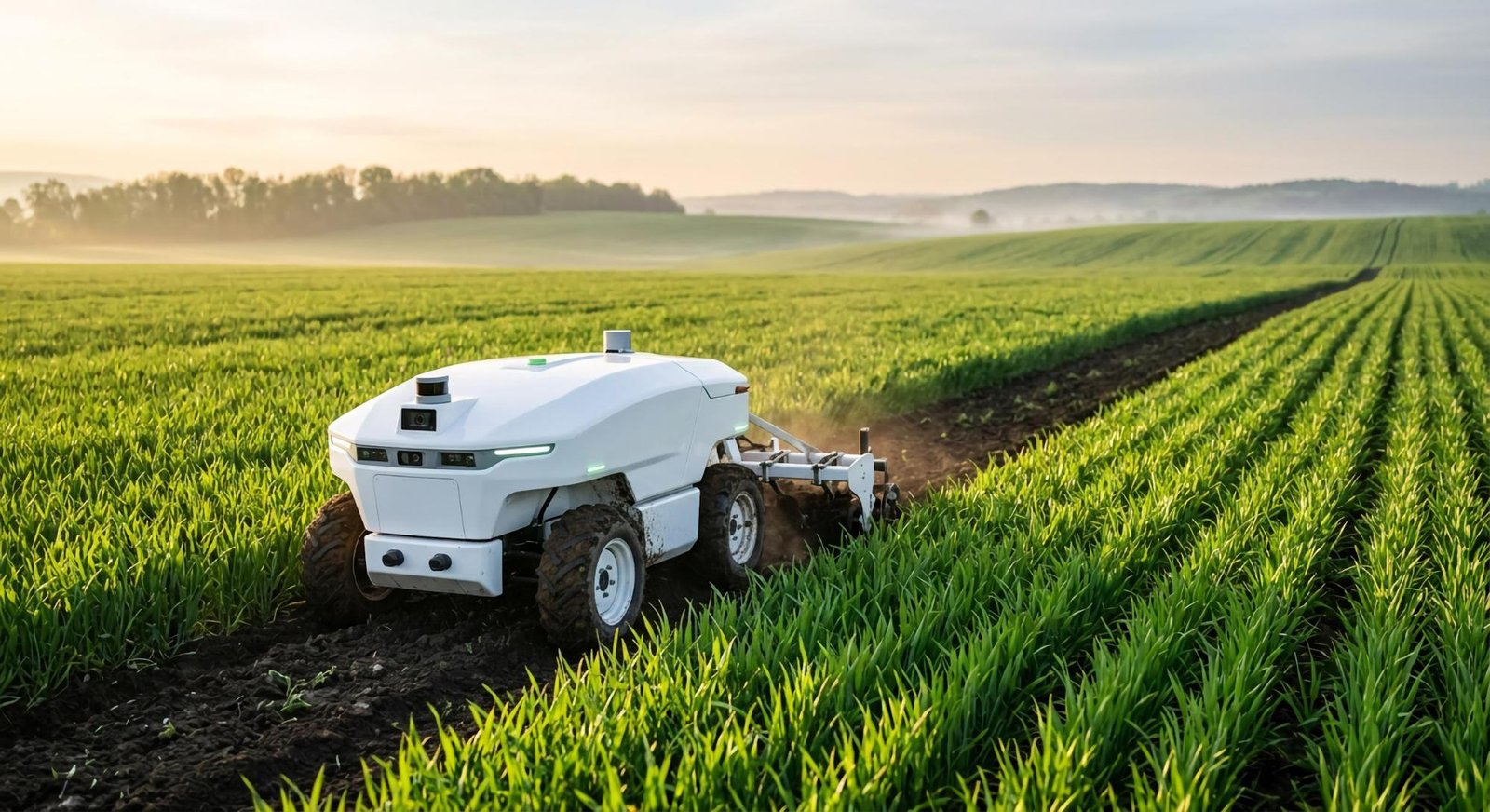
While modern farming is made possible through the use of high-performance equipment, the way in which you finance the purchase of that equipment can have a large impact on both your taxes and the bottom line of the business. As the calendar turns towards 2026, many farmers are rethinking the way in which they think about farm equipment financing strategies for the business in order to ensure that they are getting the best possible tax savings. The key is determining whether leasing or taking out a loan is the best option for tax savings under current IRS guidelines.
Understanding Farm Equipment Financing Options
It is common for farmers to use equipment leasing or borrowing when purchasing equipment. Farm equipment financing can include the following types of financing: operating or capital leases (also referred to as finance leases) and more traditional loans (e.g., bank loans, agricultural lenders). Each option will have an impact on ownership, tax implications, and total long-term cost. In general, choosing the right structure of financing for farm equipment is going to depend on how long you want the equipment and how quickly it will depreciate, along with your overall strategy for taxes in 2026.
Leasing Farm Equipment: Tax and Cash Flow Advantages
Leasing has gained considerable popularity because it can give you both flexible terms and possible tax benefits. Typically, in a leasing arrangement, the payments may be entirely deductible as operating expenses, thus effectively lowering taxable income right away. This farm equipment financing through lease is one of the ways that can positively influence your cash flow, as it usually entails little or no initial capital investment. Besides the advantage of having operating costs that are fixed and known in advance, leasing gives farmers the option to replace their equipment more regularly without the hassle of figuring out the resale value. If the business depends heavily on the use of the latest rapidly evolving technology, farm equipment financing through leasing can be a viable option to maintain the level of competitiveness.
Buying with a Loan: When Does it Make Sense to Own?
Buying equipment through a loan and owning the equipment gives the farmer complete ownership and the ability to create long-term value. Although the monthly payments are higher than the monthly lease payments, the farmer is able to create equity in the equipment. This is the best option in farm equipment financing when the equipment being purchased will last a long time and will not become obsolete anytime soon.
Understanding Section 179 and Bonus Depreciation
Tax incentives are an important consideration when deciding how to finance your farm’s equipment. Farmers may deduct the entire cost of the qualified equipment purchased (and placed into service) in the first year of use instead of having to wait several years and only be able to take depreciation deductions each year under Section 179. This may yield a very large tax savings if the equipment is purchased in 2026. Bonus depreciation enhances this by allowing additional deductions for newly purchased and used equipment, and when combined with the right farm equipment financing structure, they can significantly improve cash flow and reduce your tax liabilities.
Lease vs. Loan: What Is Best for 2026 Tax Planning
The answer to this question depends on the financial situation of your farms. The leasing option could give you more benefits in terms of tax savings, while loans could potentially give more value to your farms through depreciation benefits. If the farmers are expecting more income in 2026, then they could benefit more from buying and using Section 179 or bonus depreciation. On the other hand, if they are considering their cash flows, then leasing could be more beneficial for their farm equipment financing needs. It is recommended to seek an opinion from a tax consultant if you want to ensure that your chosen option is within IRS guidelines and your financial plan.
Common Mistakes Farmers Make When Planning Equipment Purchases
Farmers who only consider planning for monthly payments for financing their equipment and not tax savings will not benefit from the tax savings. The farmers will miss out on the benefits that come with Section 179 and bonus depreciation as a result of poor planning for their farm equipment financing. The farmers will miss out on the benefits that come with leasing as a result of poor planning for their farm equipment financing, which will limit their cash flow. Proper planning for financing their equipment will help the farmers avoid these common mistakes and achieve success in 2026.
Conclusion
It is not just about making a choice between leasing and borrowing, but it is about the road to success. The best decision regarding farm equipment financing will mean a bright future with tax savings for your farm business. Understanding depreciation and how it can help you will help you confidently choose the best option for success in 2026.
 Rizwan Aslam