
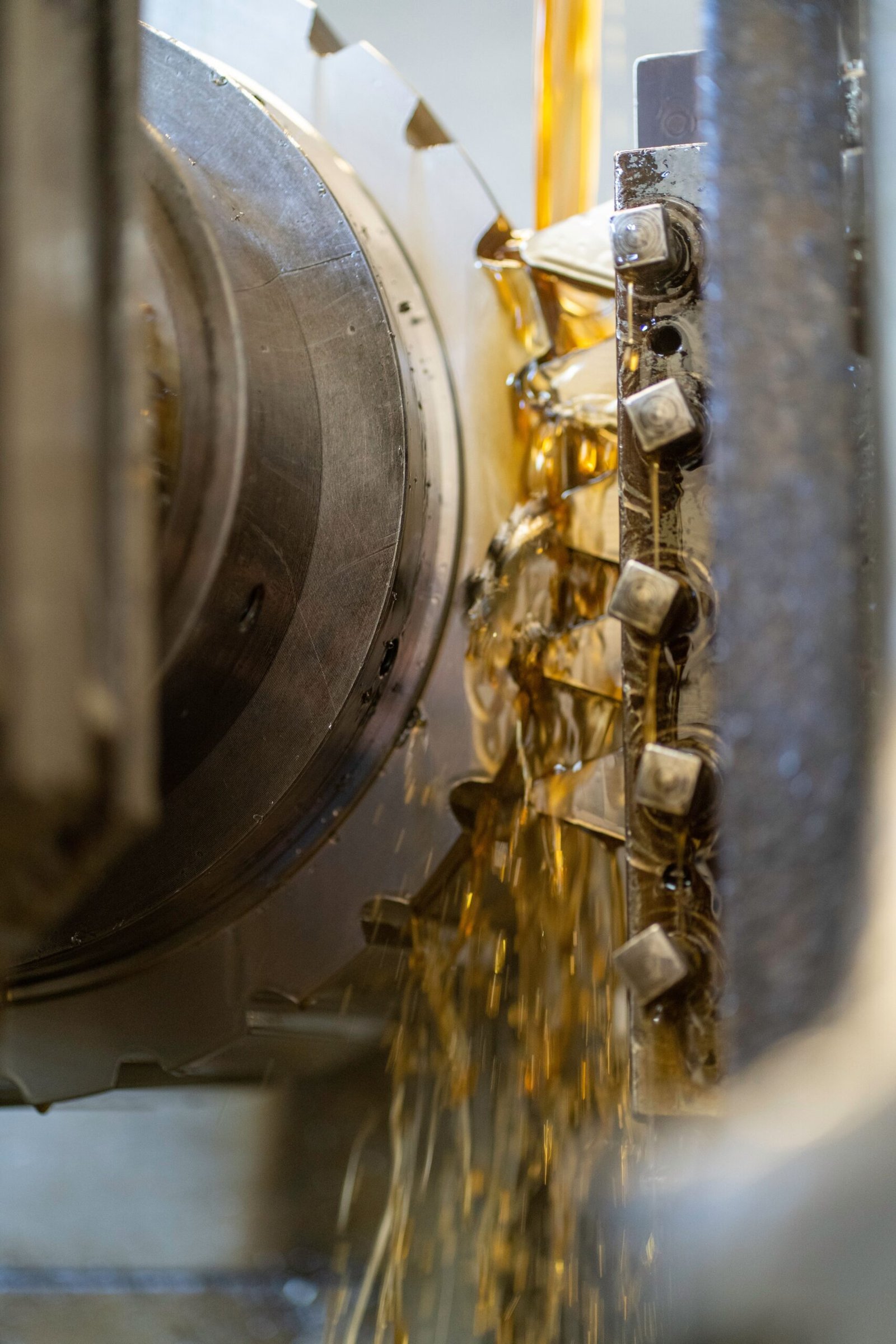
A high-quality machining lubricant plays a critical role in modern metalworking by improving cutting efficiency, reducing friction, and extending tool life. Whether used in conventional machining operations or advanced minimum quantity lubrication (MQL) systems, the right lubricant helps manufacturers achieve better surface finishes, lower operating costs, and greater productivity. As industries continue to seek sustainable and cost-effective manufacturing methods, near-dry machining solutions have become increasingly popular. Companies such as MagLube have helped drive this shift by developing innovative MQL systems and specialized lubricants designed for demanding metal cutting applications. Understanding how machining lubricants work and how to select the right solution can significantly improve machining performance while supporting environmental and operational goals.
Understanding the Role of Machining Lubricant
A machining lubricant is specifically formulated to reduce friction and heat generated during metal cutting, drilling, milling, turning, and other machining operations. During the cutting process, intense contact occurs between the cutting tool and workpiece. Without proper lubrication, excessive heat can build up quickly, causing premature tool wear, poor surface quality, and increased production costs. The lubricant creates a protective film that minimizes direct metal-to-metal contact and improves the overall cutting process.
Modern manufacturing environments demand more than basic lubrication. Today’s machining lubricant formulations are engineered to deliver exceptional performance while reducing waste and environmental impact. They help maintain dimensional accuracy, support higher cutting speeds, and improve chip evacuation. When integrated into advanced MQL systems, lubricants can provide precise lubrication exactly where it is needed, allowing manufacturers to achieve optimal performance while significantly reducing fluid consumption compared to traditional flood cooling methods.
How Machining Lubricants Improve Cutting Performance
One of the primary benefits of using a machining lubricant is improved cutting performance. Friction between the cutting tool and material generates heat that can negatively affect machining quality. Effective lubrication reduces this friction, allowing tools to move more smoothly through the workpiece while maintaining consistent cutting conditions. As a result, manufacturers often experience improved productivity and more predictable machining outcomes.
In practical applications, a machining lubricant can make a noticeable difference when working with materials such as aluminum, stainless steel, titanium, and other challenging alloys. For example, aerospace manufacturers machining titanium components often rely on specialized lubricants to manage heat and prevent tool degradation. Improved lubrication can also lead to better surface finishes and tighter tolerances, reducing the need for secondary finishing operations and helping manufacturers meet strict quality standards more efficiently.
The Advantages of MQL and Near-Dry Machining
Minimum Quantity Lubrication (MQL) has emerged as an innovative alternative to traditional flood cooling systems. Instead of using large volumes of coolant, MQL applies a carefully controlled mist of machining lubricant directly to the cutting zone. This approach provides effective lubrication while dramatically reducing fluid consumption, cleanup requirements, and disposal costs.
Near-dry machining offers several operational advantages for manufacturers seeking greater efficiency and sustainability. By using only the necessary amount of lubricant, companies can lower environmental impact while maintaining excellent machining performance. In many cases, parts emerge cleaner from the machining process, reducing washing requirements and accelerating downstream production. Businesses exploring advanced metalworking solutions often benefit from reviewing related resources such as MQL system technology and near-dry cutting solutions to better understand implementation strategies and long-term benefits.
Choosing the Right Machining Lubricant
Selecting the appropriate machining lubricant depends on several factors, including workpiece material, cutting speed, machining operation, and equipment configuration. Different formulations are designed to meet specific performance requirements. A lubricant optimized for aluminum machining may differ significantly from one intended for stainless steel or high-temperature alloy applications.
Manufacturers should evaluate lubricant characteristics such as thermal stability, lubricity, residue levels, oxidation resistance, and compatibility with MQL delivery systems. Working with experienced lubrication specialists can help identify the most effective solution for a particular application. In many cases, testing multiple formulations under actual production conditions provides valuable insight into performance improvements, tool life extension, and overall cost savings before full-scale implementation.
Reducing Costs Through Better Lubrication
Many machining operations focus primarily on tooling costs, but lubrication can have a substantial impact on overall production expenses. A properly selected machining lubricant reduces wear on cutting tools, allowing them to maintain sharpness for longer periods. Extended tool life means fewer tool changes, less downtime, and lower tooling expenditures over time.
The financial benefits extend beyond tooling. Effective lubrication can improve machine utilization, reduce scrap rates, and minimize maintenance requirements. MQL systems further enhance savings by dramatically lowering lubricant consumption and eliminating many coolant management expenses associated with traditional systems. For manufacturers operating high-volume production lines, these cumulative savings can represent a significant competitive advantage while supporting more efficient and sustainable manufacturing practices.
Sustainability and Environmental Benefits
Environmental responsibility has become a major consideration in modern manufacturing. Traditional coolant systems often require extensive fluid management, filtration, storage, and disposal procedures. By contrast, MQL technology uses a small amount of machining lubricant, reducing waste generation and simplifying environmental compliance efforts.
A sustainable lubrication strategy also contributes to improved workplace conditions. Reduced coolant exposure can create cleaner work environments and minimize issues related to fluid handling and mist control. Many organizations pursuing sustainability initiatives view near-dry machining as an important step toward reducing resource consumption without sacrificing productivity. As environmental regulations continue to evolve, adopting efficient lubrication practices can help manufacturers meet both operational and sustainability objectives.
Future Trends in Machining Lubrication Technology
The future of machining lubricant technology is closely linked to advances in manufacturing automation, precision machining, and sustainable production methods. New lubricant formulations are being developed to deliver enhanced performance under increasingly demanding machining conditions while maintaining environmentally responsible characteristics.
As smart manufacturing and Industry 4.0 technologies continue to expand, lubrication systems are becoming more precise and data-driven. Advanced MQL systems can optimize lubricant delivery based on real-time machining conditions, helping manufacturers achieve greater consistency and efficiency. Companies investing in innovative lubrication technologies today position themselves to benefit from improved productivity, lower operating costs, and stronger competitiveness in the rapidly evolving manufacturing landscape.
Frequently Asked Questions
- What is a machining lubricant?
A machining lubricant is a specialized fluid designed to reduce friction and heat during metal cutting operations. It improves machining efficiency, extends tool life, and helps achieve better surface finishes.
- How does MQL differ from traditional flood cooling?
MQL uses a very small amount of machining lubricant delivered directly to the cutting zone, while flood cooling uses large volumes of coolant. MQL reduces fluid consumption, cleanup, and disposal costs.
- Can machining lubricant improve tool life?
Yes. By reducing friction and heat, a machining lubricant minimizes tool wear and helps cutting tools maintain performance for longer periods, reducing replacement frequency.
- Which materials benefit most from machining lubricants?
Materials such as aluminum, stainless steel, titanium, nickel alloys, and hardened steels often benefit significantly from specialized machining lubricants because they generate substantial heat during machining.
- Is near-dry machining environmentally friendly?
Yes. Near-dry machining uses minimal lubricant compared to traditional cooling methods, reducing waste, lowering fluid disposal requirements, and supporting sustainable manufacturing practices.
Conclusion
A high-performance machining lubricant is essential for achieving efficient, precise, and cost-effective metalworking operations. From reducing friction and extending tool life to supporting advanced MQL systems and sustainable manufacturing practices, the right lubricant can deliver measurable improvements across the production process. As manufacturers continue to prioritize productivity, quality, and environmental responsibility, near-dry machining solutions are becoming an increasingly valuable investment. Explore advanced lubrication technologies and customized MQL solutions to identify the best approach for optimizing your machining performance and long-term operational success.
 Rizwan Aslam