
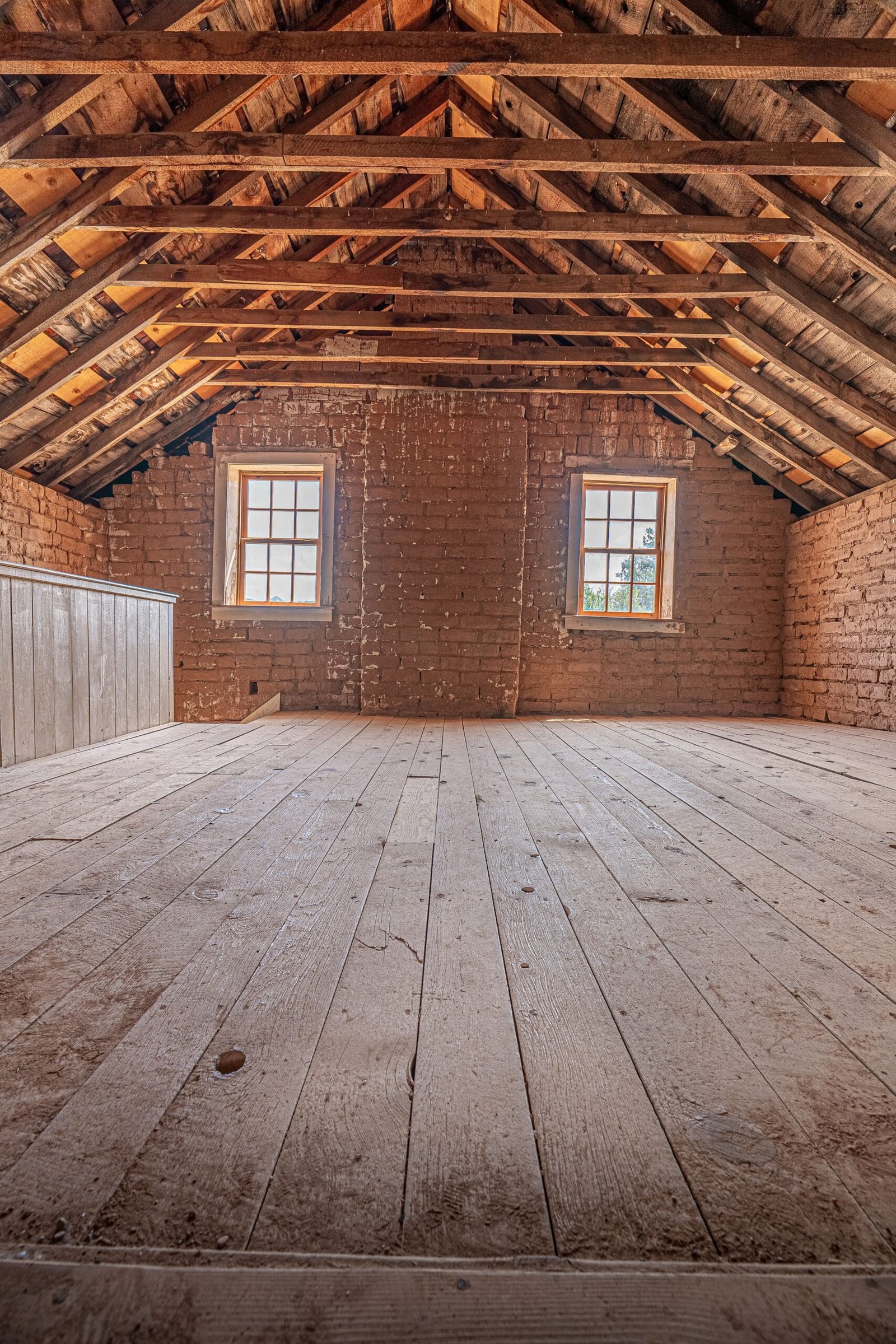
Poor attic insulation can make a home feel uncomfortable even when the heating and cooling system is running. In summer, attic heat can push into living areas, making rooms feel warmer than the thermostat shows. In winter, indoor warmth can escape upward, leaving rooms chilly and uneven. This forces the HVAC system to run longer while comfort still feels inconsistent. An HVAC contractor can help by identifying how attic conditions affect airflow, temperature control, and equipment performance. With the right improvements, the home can feel steadier, quieter, and easier to manage through changing weather.
Comfort Starts Above
- Attic Heat Gain Changes Cooling Demand
An HVAC contractor helps improve comfort by checking how much attic heat is affecting the rooms below. When insulation is thin, uneven, compressed, or missing in certain areas, heat can move into bedrooms, hallways, and living spaces during warm weather. This makes the air conditioner work harder, yet some rooms may still feel too warm. A contractor can compare indoor temperatures, inspect attic conditions, review system run times, and look for signs that heat is overwhelming the cooling system. Homeowners reviewing https://priceheatingandair.com/heating-cooling-florence-al/ may be looking for help when comfort issues persist even after thermostat adjustments. This matters because the HVAC system may not be the only issue. If attic heat enters the home too quickly, the air conditioner may struggle, no matter how often it runs. Identifying heat gain helps create a better comfort plan rather than relying solely on lower thermostat settings.
- Air Leaks Can Waste Conditioned Air
Poor attic insulation often comes with air leaks that allow conditioned air to escape or attic air to enter the home. Gaps around light fixtures, ceiling penetrations, attic hatches, duct openings, and wiring paths can affect comfort more than many homeowners realize. An HVAC contractor can identify these leakage points and explain how they affect the temperature balance. When cooled or heated air escapes upward, the HVAC system must repeatedly restore that lost comfort. This can lead to longer cycles, higher energy use, and rooms that never feel quite right. Air leaks may also cause dust movement, changes in humidity, and uneven temperatures between floors. By identifying these weak areas, the contractor can recommend sealing work, airflow adjustments, or insulation improvements that support the system. The goal is to keep conditioned air inside the living space longer. When leaks are reduced, rooms can maintain temperature more evenly, and the HVAC system can operate under less strain.
- Ductwork in the Attic Needs Review
Many homes have ductwork running through the attic, and poor insulation can cause those ducts to lose heating or cooling before the air reaches the rooms. In summer, hot attic air can warm cooled air moving through the ducts. In winter, cold attic conditions can reduce warmth before it reaches vents. If the ducts are leaky, poorly insulated, crushed, or disconnected, comfort problems worsen. An HVAC contractor can inspect attic ductwork, check airflow at vents, look for loose joints, and assess whether the duct insulation is sufficient for the space. This step matters because homeowners may blame the HVAC equipment when the real issue is air loss in the attic. A room may feel uncomfortable not because the system lacks power, but because treated air is being lost before it reaches the room. Improving duct condition can help rooms receive stronger airflow and more accurate temperatures. Better duct performance helps the entire home feel more balanced.
- System Sizing and Settings May Need Adjustment
Poor attic insulation can make an HVAC system seem undersized because the home gains or loses heat too quickly. However, simply installing larger equipment is not always the right answer. An HVAC contractor can review the home’s load, insulation level, air leakage, windows, ductwork, thermostat settings, and airflow before suggesting changes. This helps determine whether the equipment, the attic, or both cause comfort problems. If the system is cycling too often, running too long, or failing to control humidity, the contractor can adjust settings, check refrigerant conditions, evaluate blower performance, and recommend improvements that work with insulation upgrades. This kind of review helps avoid guesswork. It also helps homeowners understand which changes will make the biggest difference in comfort. When the HVAC system is matched with better attic conditions, it can maintain temperatures more consistently and reduce the hot-and-cold swings that make a home feel uncomfortable.
Better Comfort Comes From a Full-Home View
An HVAC contractor helps improve comfort in homes with poor attic insulation by considering more than just the equipment. Attic heat gain, air leaks, weak duct insulation, airflow loss, and system settings can all affect how rooms feel throughout the day. When these issues are reviewed together, homeowners gain a clearer picture of why maintaining comfort has been difficult. Improving attic conditions can help the HVAC system run more efficiently, reduce energy waste, and keep temperatures more evenly distributed from room to room. A home with better insulation support can feel calmer, more stable, and more comfortable in every season.
<iframe src=”https://www.google.com/maps/embed?pb=!1m18!1m12!1m3!1d3167.4601565207563!2d-87.65690472425365!3d34.744272472904186!2m3!1f0!2f0!3f0!3m2!1i1024!2i768!4f13.1!3m3!1m2!1s0x887d4f6043edcae5%3A0xe413781e11655e24!2sPrice%20Heating%20%26%20Air%20Conditioning!5e1!3m2!1sen!2sph!4v1780964755620!5m2!1sen!2sph” width=”600″ height=”450″ style=”border:0;” allowfullscreen=”” loading=”lazy” referrerpolicy=”no-referrer-when-downgrade”></iframe>
 Rizwan Aslam