
A roof is one of the most valuable parts of any home. It protects your family, belongings, and the overall structure from rain, wind, snow, heat, and other weather conditions. Despite its importance, many homeowners only think about their roof when a leak appears or visible damage occurs. Unfortunately, waiting until a problem becomes obvious often leads to expensive repairs that could have been avoided with regular maintenance.
Routine roof maintenance is one of the easiest ways to increase the lifespan of your roofing system while reducing long-term repair costs. Whether you own a newly built house or an older property, understanding how to care for your roof can save you thousands of dollars over the years.
In this guide, you’ll learn why roof maintenance matters, the warning signs of roof damage, practical maintenance tips, the importance of gutter care, and how choosing the right roofing contractor can make a significant difference.
Why Roof Maintenance Is Important
Your roof works around the clock to protect your home from changing weather conditions. Every season creates different challenges. Summer heat can cause roofing materials to expand, while winter moisture and freezing temperatures may lead to cracks or leaks. Heavy rain, strong winds, and storms can also weaken shingles and flashing over time.
Regular maintenance allows homeowners to identify minor problems before they become major structural issues. A missing shingle today could become a water leak tomorrow, eventually causing damage to insulation, ceilings, walls, and even electrical systems.
Maintaining your roof not only extends its lifespan but also improves energy efficiency. A well-maintained roof provides better insulation, helping reduce heating and cooling costs throughout the year.
Common Signs Your Roof Needs Attention
Many roofing problems begin small and gradually become worse. Knowing what to look for allows you to act before expensive repairs become necessary.
Some of the most common warning signs include:
- Missing, curled, or cracked shingles
- Water stains on ceilings or interior walls
- Sagging sections of the roof
- Mold, moss, or algae growth
- Rusted or damaged flashing around chimneys and vents
- Granules collecting inside gutters
- Loose roofing materials after storms
If you notice any of these signs, schedule a professional inspection instead of waiting for the damage to spread.
How Often Should You Inspect Your Roof?
Experts generally recommend inspecting your roof at least twice each year—once during spring and once during fall. Additional inspections should be performed after severe weather events such as hailstorms, hurricanes, or strong winds.
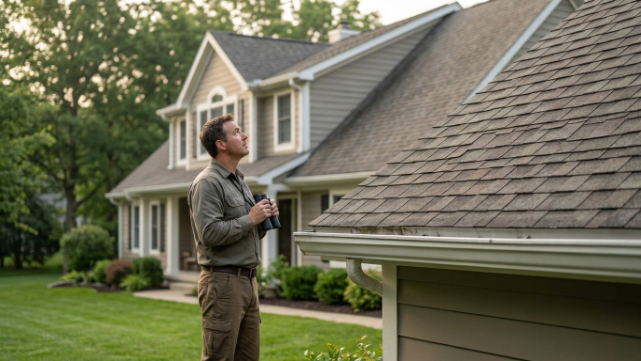
During an inspection, check for damaged shingles, clogged gutters, loose flashing, and debris accumulation. While homeowners can perform a basic visual inspection from the ground using binoculars, climbing onto the roof can be dangerous. Professional roofing contractors have the equipment and experience needed to inspect roofs safely.
Seasonal Roof Maintenance Checklist
Each season brings unique maintenance requirements.
Spring
Spring is the perfect time to inspect damage caused by winter weather.
Tasks include:
- Removing leaves and branches
- Checking shingles for damage
- Cleaning gutters
- Inspecting flashing
- Looking for signs of leaks inside the attic
Summer
High temperatures can stress roofing materials.
During summer:
- Trim nearby tree branches
- Check attic ventilation
- Inspect roof vents
- Look for cracked sealants
Fall
Preparing your roof before winter is essential.
Fall maintenance includes:
- Cleaning gutters thoroughly
- Removing leaves
- Checking downspouts
- Repairing loose shingles
Winter
Heavy snow and ice can place extra weight on roofs.
Monitor for:
- Ice dams
- Heavy snow accumulation
- Interior leaks
- Condensation inside the attic
Why Gutters Are Just as Important as the Roof
Many homeowners focus only on shingles while forgetting the gutters. However, gutters play an essential role in protecting both the roof and foundation.
When gutters become blocked with leaves, dirt, or debris, rainwater cannot flow properly. Overflowing water may damage fascia boards, siding, landscaping, and even the home’s foundation.
Cleaning gutters at least twice a year significantly reduces the risk of water damage and extends the life of your roofing system.
Installing quality gutter guards may also reduce future maintenance while improving drainage performance.
Roof Repairs vs. Roof Replacement
One common question homeowners ask is whether they should repair or replace their roof.
Repairs are often suitable when:
- Damage affects only a few shingles.
- Flashing requires replacement.
- Minor leaks are detected early.
- Storm damage is limited.
Replacement may be the better option when:
- The roof is more than 20–25 years old.
- Large sections have deteriorated.
- Multiple leaks exist.
- Structural damage has occurred.
- Repairs have become frequent and expensive.
A professional inspection can help determine the most cost-effective solution.
Choosing the Right Roofing Contractor
Selecting the right roofing company is just as important as maintaining your roof.
Before hiring a contractor, consider the following:
- Verify licenses and insurance.
- Read customer reviews.
- Ask about warranties.
- Request detailed written estimates.
- Check experience with your roofing material.
- Confirm local references.
For homeowners in Metro Atlanta looking for experienced roofing professionals, Classic Roofing & Gutters provides comprehensive roofing and gutter services, including roof inspections, repairs, replacements, gutter installation, and preventive maintenance. Working with experienced professionals helps ensure quality workmanship and long-term protection for your home.
Simple Roof Maintenance Tips Every Homeowner Can Follow
Even simple habits can make a significant difference.
Consider these maintenance tips:
- Inspect your roof after major storms.
- Keep gutters clean.
- Remove moss before it spreads.
- Replace damaged shingles quickly.
- Trim tree branches hanging over the roof.
- Ensure attic ventilation remains clear.
- Schedule professional inspections every year.
- Never ignore small leaks.
Preventive maintenance almost always costs less than emergency repairs.
Benefits of Professional Roof Inspections
Professional roof inspections provide peace of mind because trained contractors know where hidden problems often develop.
They inspect:
- Shingles
- Flashing
- Chimneys
- Skylights
- Roof vents
- Gutters
- Structural support
- Drainage systems
Many roofing issues remain invisible to homeowners until major damage occurs. Professional inspections identify these problems early.
How Roof Maintenance Increases Property Value
A well-maintained roof improves both appearance and functionality.
Potential buyers often ask about the roof before purchasing a home. A roof in excellent condition increases buyer confidence and may even improve resale value.
Regular maintenance records also demonstrate responsible homeownership, making properties more attractive in competitive real estate markets.
Final Thoughts
Your roof protects everything inside your home, making it one of the most important investments you’ll ever maintain. Regular inspections, seasonal maintenance, clean gutters, and timely repairs help extend the life of your roofing system while preventing expensive damage.
Whether you need a simple inspection, gutter maintenance, or a complete roof replacement, working with experienced roofing professionals ensures your home remains protected for years to come. By following the maintenance tips in this guide and addressing problems early, homeowners can enjoy greater peace of mind and reduce unexpected repair costs.
 Hamza
Hamza