
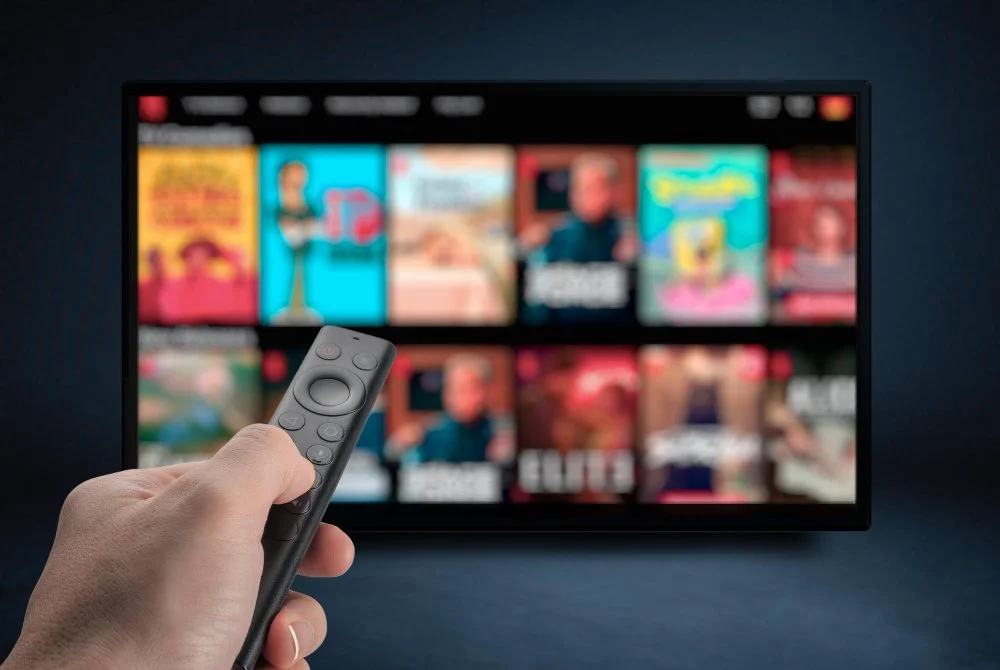
Advertising agencies are constantly seeking the most effective platforms to reach their target audiences and achieve the best return on investment (ROI). As the landscape of television advertising evolves, agencies face the strategic decision between leveraging Connected TV, with its digital capabilities, or sticking with Traditional TV, known for its broad reach. This article explores these two advertising mediums, their unique benefits, and how they compare in delivering ROI. From the technological advancements of Connected TV to the established presence of Traditional TV, we will dissect which medium offers a superior financial payoff for agencies.
Connected TV: A Game Changer in Advertising Strategies
Connected TV has emerged as a revolutionary tool in the advertising world, allowing agencies to harness digital precision while reaching viewers on their favorite streaming platforms. A key advantage of Connected TV advertising is the ability to utilize Programmatic Buying, which enables the automated purchase of ad space based on specific audience data. This process not only improves targeting accuracy but also optimizes ad spend by ensuring that advertisements reach the most relevant viewers.
Moreover, the integration of an What Is a Connected Tv is seamless with Connected TV, allowing advertisers to create a cohesive brand experience across multiple devices. This strategy enhances marketing efforts by engaging audiences through various touchpoints, thereby increasing brand recall and driving conversions. Additionally, Connected TV facilitates advanced Ad Spend Attribution, enabling agencies to accurately measure the impact of their campaigns and adjust strategies in real-time for better performance.
For instance, a recent study highlighted that advertisers could observe a 35% increase in conversion rates when employing Connected TV ads in conjunction with other digital platforms (Source: eMarketer, 2023). This synergy, combined with detailed analytics, positions Connected TV as a powerful medium for advertisers aiming to maximize their ROI.
Traditional TV: The Longstanding Advertising Medium
Traditional TV remains a staple in the advertising world due to its vast reach and ability to deliver messages to a broad audience. Despite the rise of digital platforms, Traditional TV continues to be effective in building brand awareness, particularly during prime-time slots where viewership peaks. Agencies often rely on Media Mix Modeling to determine the optimal allocation of their budgets between Traditional TV and other channels, ensuring they reach a diverse demographic.
One of the primary strengths of Traditional TV advertising is its ability to deliver high-impact creative content. Through Creative Briefing, agencies can craft compelling narratives that resonate with viewers on an emotional level. This approach not only captures attention but also fosters long-term brand loyalty, which is a significant factor in evaluating ROI.
Despite the shift towards digital mediums, Traditional TV can still achieve substantial returns, particularly for brands targeting older demographics who prefer the conventional viewing experience. Studies show that Traditional TV advertising can generate a brand lift of up to 20% in certain sectors, such as consumer goods (Source: Nielsen, 2023), underscoring its continued relevance in the media mix.
Analyzing ROI: Metrics for Connected TV and Traditional TV
When evaluating ROI, it’s crucial for agencies to consider the distinct metrics associated with each medium. Connected TV offers precise metrics such as Click-Through Rate (CTR) and Conversion Rate Optimization (CRO), providing detailed insights into viewer engagement and campaign effectiveness. These metrics are essential for assessing the direct impact of advertisements on consumer behavior and refining strategies to enhance ROI.
In contrast, Traditional TV relies on broader metrics such as reach and frequency, which measure the number of viewers exposed to an advertisement and the average number of times they see it. While these metrics provide a general indication of campaign performance, they lack the granularity offered by digital platforms, making it challenging to attribute sales directly to specific ads.
Agencies must also consider the cost-efficiency of each platform. Connected TV typically operates on a performance-based marketing model, allowing advertisers to pay based on actual results, such as completed views or conversions. This model ensures that ad spend is directly tied to outcomes, enhancing overall ROI. On the other hand, Traditional TV often requires significant upfront investment, which can be a barrier for smaller agencies or those with limited budgets.
Making the Choice: Factors Influencing ROI in Media Spend
When deciding between Connected TV and Traditional TV, agencies must weigh several factors that influence ROI. The target audience is a critical consideration; agencies should assess whether their desired demographic is more likely to engage with digital platforms or traditional broadcast channels. Additionally, the nature of the product or service being advertised can dictate the most effective medium. Products targeting tech-savvy or younger consumers may benefit more from Connected TV, while those appealing to a broader or older audience might find success with Traditional TV.
The Content Distribution Networks (CDNs) used by Connected TV platforms also offer advantages in speed and reliability, ensuring that ads are delivered seamlessly to viewers. This technological edge can enhance user experience and improve campaign outcomes. Furthermore, the ability to conduct A/B Testing Frameworks on Connected TV allows agencies to experiment with different ad variations and identify the most effective messaging, further optimizing ROI.
Ultimately, the choice between Connected TV and Traditional TV should be guided by a comprehensive analysis of campaign goals, audience preferences, and budget constraints. Agencies must remain flexible and adaptive, ready to pivot their strategies in response to changing market dynamics and consumer behaviors.
Conclusion
Choosing between Connected TV and Traditional TV hinges on understanding the unique advantages and limitations of each medium. Connected TV offers precise targeting and measurable results, making it a strong contender for agencies seeking high ROI, especially in digital-savvy markets. Meanwhile, Traditional TV’s broad reach and emotional impact remain compelling for certain demographics and brand-building efforts. Agencies must carefully evaluate their objectives and audience to select the medium that best aligns with their goals, ensuring an effective allocation of advertising resources.
 Pk Seo Agency
 Kaif
Kaif