
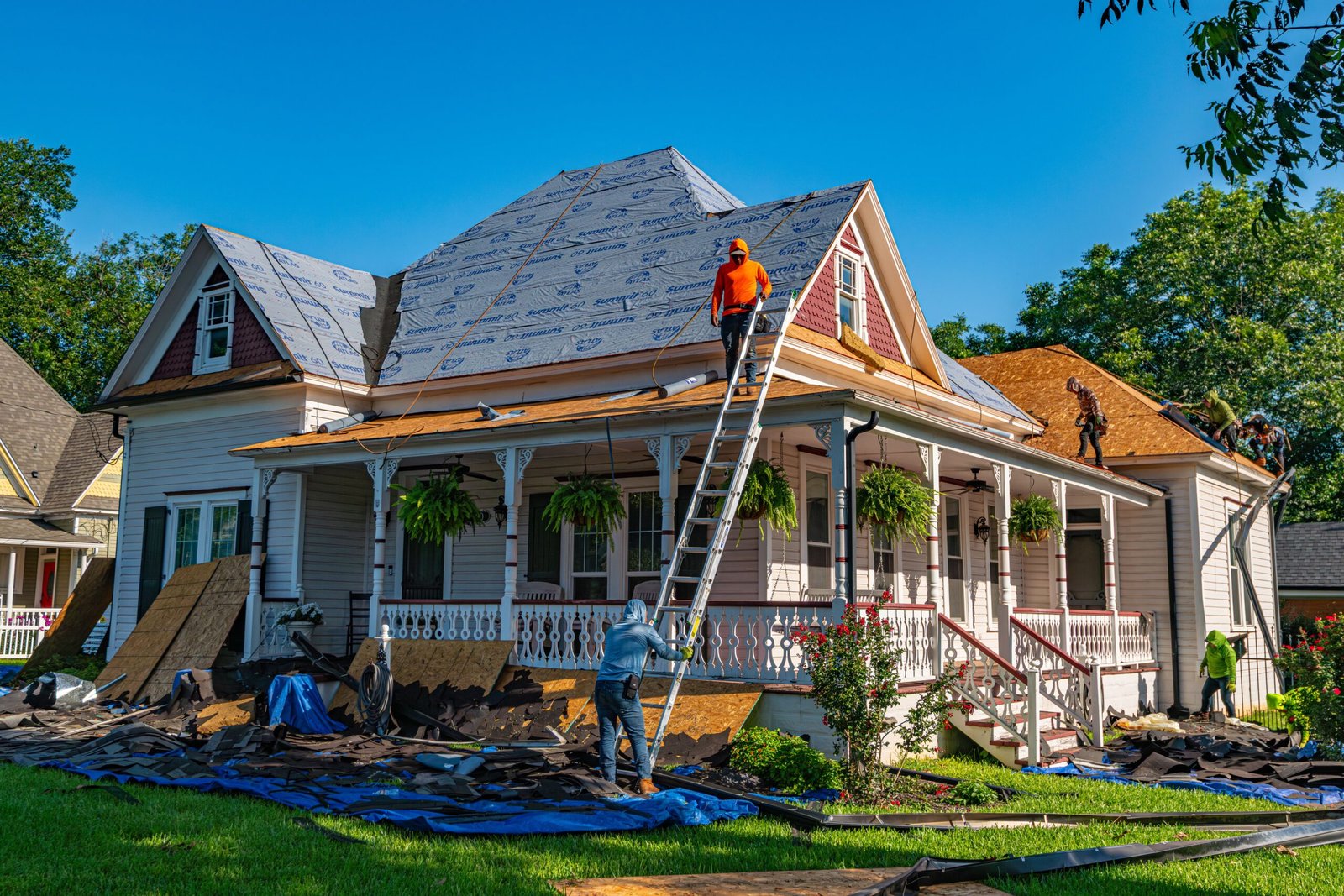
A small water stain on the ceiling can seem like a minor roofing issue, especially if it only appears after heavy rain. Many homeowners place a bucket underneath, wait for the weather to clear, and plan to deal with it later. However, a roof leak can do more than damage plasterboard or insulation. When moisture reaches timber framing, wall cavities, or roof spaces, it can create conditions that increase the risk of termite activity.
A leaking roof does not automatically mean termites are present, but it can create a favourable environment that makes a property more vulnerable over time. Addressing roofing issues early through timely roof restoration and arranging termite pest control inspections where needed can help reduce long-term risks and protect the structural integrity of your home.
Why Moisture Matters to Termites
Subterranean termites need moisture to survive. They usually travel through soil and protected shelter tubes, searching for suitable timber sources within a building. When a roof leak allows water to enter ceiling cavities or wall spaces, it can increase humidity levels and keep surrounding timber damp for extended periods.
Damp timber is not always a direct food source preference, but moisture makes it easier for termites to establish concealed activity within a property. It can also encourage fungal growth and timber decay, which may weaken building materials and make them easier to damage. High moisture levels inside wall cavities, roof voids, and subfloor areas are recognised as conditions that can encourage larger-scale termite activity.
A leak that continues through several rain events can create a repeated moisture source. This is particularly concerning in roof spaces where water may soak insulation, pool around timber connections, or run down internal walls without being noticed immediately.
How Roof Leaks Create Hidden Risk Areas
Roof leaks often begin around cracked tiles, damaged flashing, loose ridge capping, blocked gutters, deteriorated seals, or penetrations around vents and pipes. While the visible sign may be a ceiling stain, the water can travel a considerable distance before becoming noticeable inside the home.
This means the actual damp area may be hidden behind plasterboard, above ceilings, or inside wall cavities. These spaces are difficult to inspect without professional equipment, allowing moisture to remain undetected for long periods. Termites also prefer concealed environments, which is why damp roof cavities and wall spaces can become a concern when leaks are left unresolved.
Water can also move down through framing and into lower sections of the building. A roof leak near an external wall may eventually contribute to moisture around wall cavities, timber studs, or the subfloor. If drainage, ventilation, or other moisture issues are already present, the combined conditions can further increase the likelihood of termite activity.
The Link Between Damp Timber and Structural Damage
Roof leaks can cause timber to swell, soften, rot, or develop fungal decay. Over time, this weakens rafters, battens, ceiling joists, and wall framing. If termites are also present, the damage can become more difficult to identify because moisture damage and termite damage may appear similar.
Both issues can cause timber to lose strength, paint to blister, ceilings to sag, and doors or windows to become difficult to operate. In some cases, homeowners assume visible deterioration is only caused by water, while concealed termite activity may also be affecting nearby timber.
This is why damp or damaged roof framing should not be ignored. Moisture problems can create the conditions termites need, while termite activity can further weaken timber that has already been affected by water. Roof voids are particularly important because termite damage may remain hidden until structural issues become more noticeable.
Signs That a Roof Leak May Be Increasing Termite Risk
Water stains on ceilings, mould growth, peeling paint, sagging plasterboard, and musty odours can all indicate that moisture is entering the property. These signs do not confirm termite activity, but they suggest that the roof or drainage system should be inspected promptly.
Other warning signs include:
- Soft or hollow-sounding timber.
- Blistering or peeling paint.
- Dark patches on internal walls.
- Damaged skirting boards.
- Doors or windows that suddenly become difficult to open.
- Mud tubes near foundations, external walls, pipes, or subfloor areas.
Mud tubes are a stronger indication of termite activity and should be assessed without disturbing them.
It is important not to rely on visible damage alone. Termites often remain concealed inside timber, wall cavities, and roof spaces. A professional inspection can help distinguish between water damage, timber decay, and termite activity.
Why Roof Restoration and Termite Pest Control Should Go Hand in Hand
Fixing the visible roof leak is essential, but it should not be treated as the only step. If water has been entering the property for some time, the surrounding areas may need to be checked for damp insulation, decayed timber, mould, and hidden pest activity.
This is where roof restoration can be relevant. Repairing damaged roofing materials, flashing, gutters, and drainage points can help prevent future water entry and reduce the moisture conditions that termites rely on. However, roofing repairs should be paired with an assessment of affected internal areas, especially if there are signs of timber damage or ongoing dampness.
Where termite activity is suspected, termite pest control in Sydney should focus on inspection, identification, treatment where required, and ongoing monitoring. Simply repairing the roof without investigating the affected timber may leave a hidden issue unresolved. Australian termite management guidance also emphasises moisture control, adequate ventilation, and regular inspections as important risk-reduction measures.
From a professional perspective, it is common for roofing specialists and pest inspectors to identify hidden moisture issues during inspections. Addressing both the source of the leak and any potential termite risk at the same time often helps prevent more extensive repairs later.
When Professional Assessment Is Needed
Professional help is recommended when a roof leak has been ongoing, water stains keep returning, or there is visible deterioration in ceiling or wall materials. It is also important to seek assessment if timber feels soft, hollow, or damaged, particularly near moisture-affected areas.
A qualified inspector can assess accessible roof spaces, wall areas, subfloors, and external zones for evidence of termite activity and conditions that may attract termites. Moisture meters and other detection tools may help identify damp areas that are not visible from inside the home.
Early action can prevent a small roofing issue from becoming a more extensive structural concern. Addressing moisture quickly through appropriate roof repairs or roof restoration, together with professional termite pest control where required, helps protect your home’s timber components and reduce future risk.
FAQs
Can a roof leak directly cause termites?
A roof leak does not create termites, but it can create damp conditions that make a property more attractive to them. Moisture, poor ventilation, and damp timber can all increase the risk of termite activity.
Are termites more likely to attack wet timber?
Termites are attracted to moisture-rich environments. Damp timber and nearby moisture sources can make it easier for termites to survive and remain concealed within a building.
Can roof leaks and termite damage look similar?
Yes. Both can cause soft timber, sagging ceilings, blistering paint, and structural deterioration. A professional inspection is often needed to determine the cause.
Should I repair the roof before arranging a termite inspection?
If there are signs of active termites, avoid disturbing affected timber until it has been assessed. In many cases, the roof leak can be repaired while an inspection is arranged, but suspected termite areas should be handled carefully.
How often should termite inspections be carried out?
Annual inspections are commonly recommended, although higher-risk properties may need more frequent checks. Homes with moisture issues, poor drainage, or previous termite activity may require closer monitoring.
What roof issues can contribute to termite risk?
Cracked tiles, damaged flashing, blocked gutters, leaking downpipes, loose roof seals, and poor drainage can all allow moisture to enter or collect around the property.
 Rizwan Aslam