
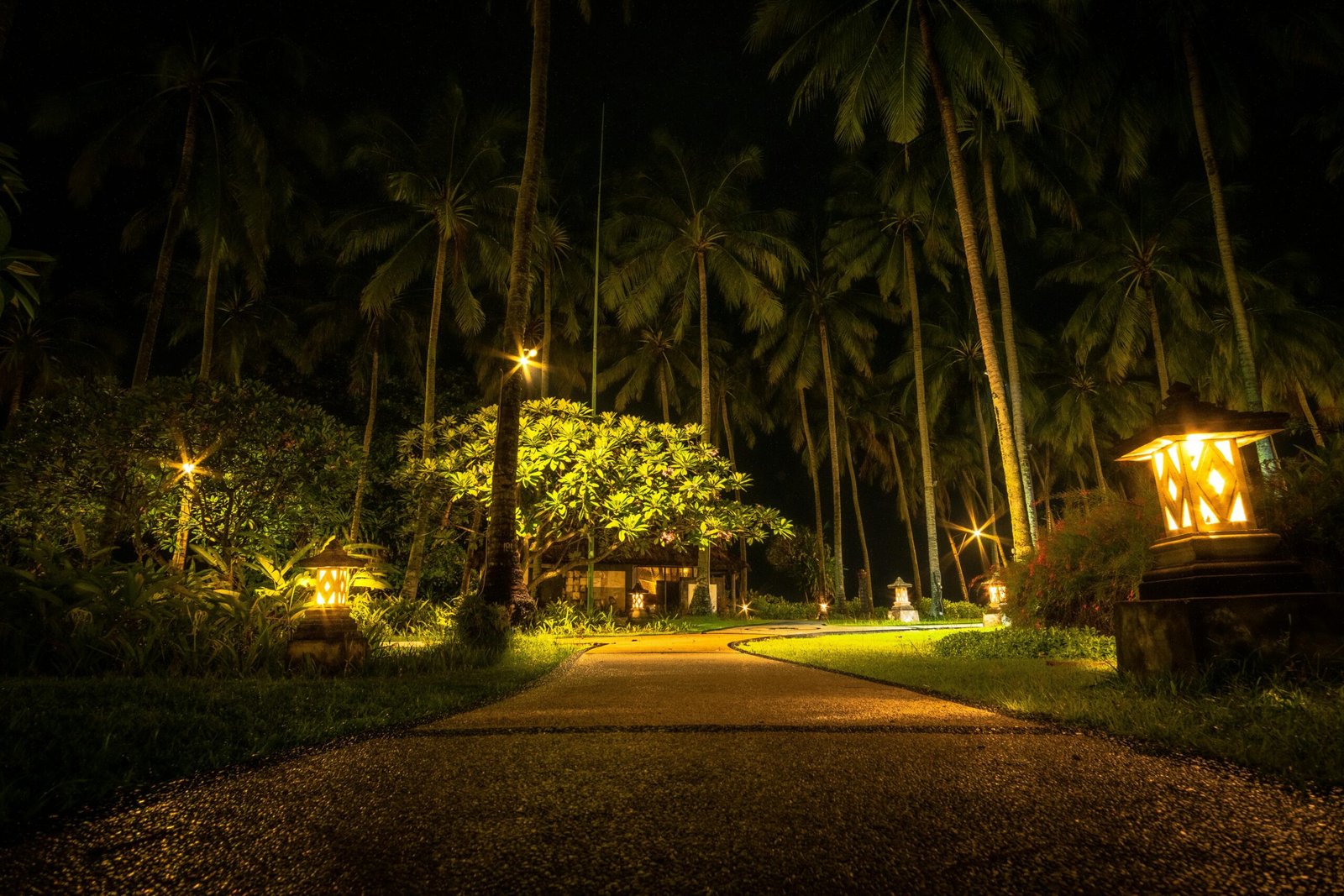
Outdoor lighting plays a crucial role in shaping the mood and functionality of exterior spaces, beyond simply illuminating pathways, patios, or gardens. Carefully selected lighting shapes how areas feel in the evening, highlighting textures, creating depth, and influencing perceptions of space. The choice of fixtures, brightness, color temperature, and placement impacts safety, usability, and the aesthetic appeal of a home or commercial property. Subtle adjustments in angle or intensity can transform a bland backyard into a warm, inviting retreat or a dramatic, sculptural display. Proper outdoor lighting enhances the experience of outdoor spaces, drawing attention to architecture, landscaping, and focal points while evoking the intended emotional response.
What This Article Covers
Color Temperature and Emotional Influence
One of the primary factors affecting ambiance is the color temperature of outdoor lighting. Warm hues, typically between 2,700K and 3,000K, evoke comfort, intimacy, and relaxation, making them ideal for social areas, dining patios, or garden seating. Cooler tones, ranging from 4,000K to 5,000K, produce a crisp, invigorating effect, lending themselves to functional spaces such as walkways, security lighting, or work areas.
Color temperature influences how plants, architectural details, and textures are perceived, highlighting certain features while muting others. Balancing different temperatures in layered lighting schemes can create contrast and depth, shaping the overall feel of the outdoor environment.
Even subtle variations in light tone alter the perceived warmth and welcoming nature of a space, demonstrating that emotional impact is a central consideration in lighting design.
Layering and Placement Strategies
The placement and layering of outdoor lights determine how a space is experienced visually and emotionally. Using multiple layers—ambient, task, and accent lighting—allows homeowners to effectively highlight pathways, architectural features, garden beds, or seating areas. Positioning fixtures at various heights and angles creates shadows and depth, transforming flat or overlooked areas into dynamic, visually appealing spaces.
Strategic layering ensures safety while also reinforcing the desired mood, whether it’s cozy and intimate or vibrant and theatrical. Designers frequently recommend combinations of ground-level lights, wall-mounted sconces, and overhead fixtures to provide balanced illumination. Integrating these elements thoughtfully enhances usability after dark while maintaining aesthetic cohesion.
Professionals providing outdoor living solutions by Missinne Greenhouse & Landscaping can implement layered strategies that maximize ambiance while ensuring energy efficiency and durability, creating spaces that feel intentional and harmonious.
Highlighting Focal Points and Textures
Outdoor lighting can emphasize specific features of a landscape, architecture, or garden arrangement. Spotlights and uplights can draw attention to trees, sculptures, water features, or façade elements, creating visual anchors that guide the eye and define the space. Subtle illumination of textures—stonework, wood grain, or plant foliage—adds richness and dimension, producing an experience that shifts with movement and perspective. Lighting can also conceal unwanted elements by directing attention away from functional but visually distracting areas.
By layering different fixture types and intensities, designers craft a sense of journey and discovery through the property, making each space feel purposeful. Thoughtful placement and focal emphasis elevate outdoor areas from purely functional spaces to immersive, engaging environments that invite exploration, relaxation, and social interaction well into the evening hours.
Mood Through Intensity and Control
The intensity of outdoor lighting profoundly affects the atmosphere of a space. Bright, high-output lights are useful for security or task-oriented functions but can feel harsh and uninviting in leisure areas. Dimmer or adjustable fixtures allow residents to shift the ambiance, creating a softer, more intimate environment for gatherings or reflective moments.
Control systems, including timers, smart lighting, and scene settings, enable flexibility and personalization, allowing the outdoor environment to evolve with time, occasion, or mood. Flicker-free, energy-efficient options enhance comfort without creating glare or eye strain.
Integrating intensity management alongside color temperature and fixture placement ensures that outdoor lighting aligns with both functional and emotional needs, providing a versatile environment that adapts seamlessly from casual evenings to special events.
Integration with Landscaping and Architecture
Properly chosen outdoor lighting complements and enhances surrounding landscapes and architectural features. Pathway lights guide movement while drawing attention to planting designs, retaining walls, or terraces. Wall-mounted and ceiling fixtures highlight structural details, entryways, or pergolas, reinforcing the property’s character and style. Integrating lighting with natural and built elements creates cohesion, ensuring that each fixture contributes to the overall aesthetic rather than appearing isolated or intrusive.
Placement relative to trees, shrubs, and water features also influences shadow play, reflections, and color contrast, adding visual interest. By considering the interaction between light, materials, and plantings, outdoor lighting transforms spaces into coherent, inviting extensions of indoor living areas, creating a sense of continuity and intentional design throughout the property.
Choosing the right outdoor lighting has a transformative effect on both aesthetics and functionality, shaping how spaces are experienced after sunset. Color temperature, fixture placement, intensity, layering, and integration with landscaping all contribute to ambiance, creating environments that feel comfortable, inviting, and visually dynamic. Well-designed lighting highlights textures and focal points, supports safety, and allows flexibility for varied activities and moods. By considering both emotional impact and practical needs, property owners can turn ordinary yards, patios, and gardens into spaces that enhance lifestyle, social interaction, and relaxation. Thoughtful outdoor lighting elevates the atmosphere, reinforces design intent, and ensures lasting enjoyment of exterior areas.
 IQnewswire
 Kaif
Kaif