
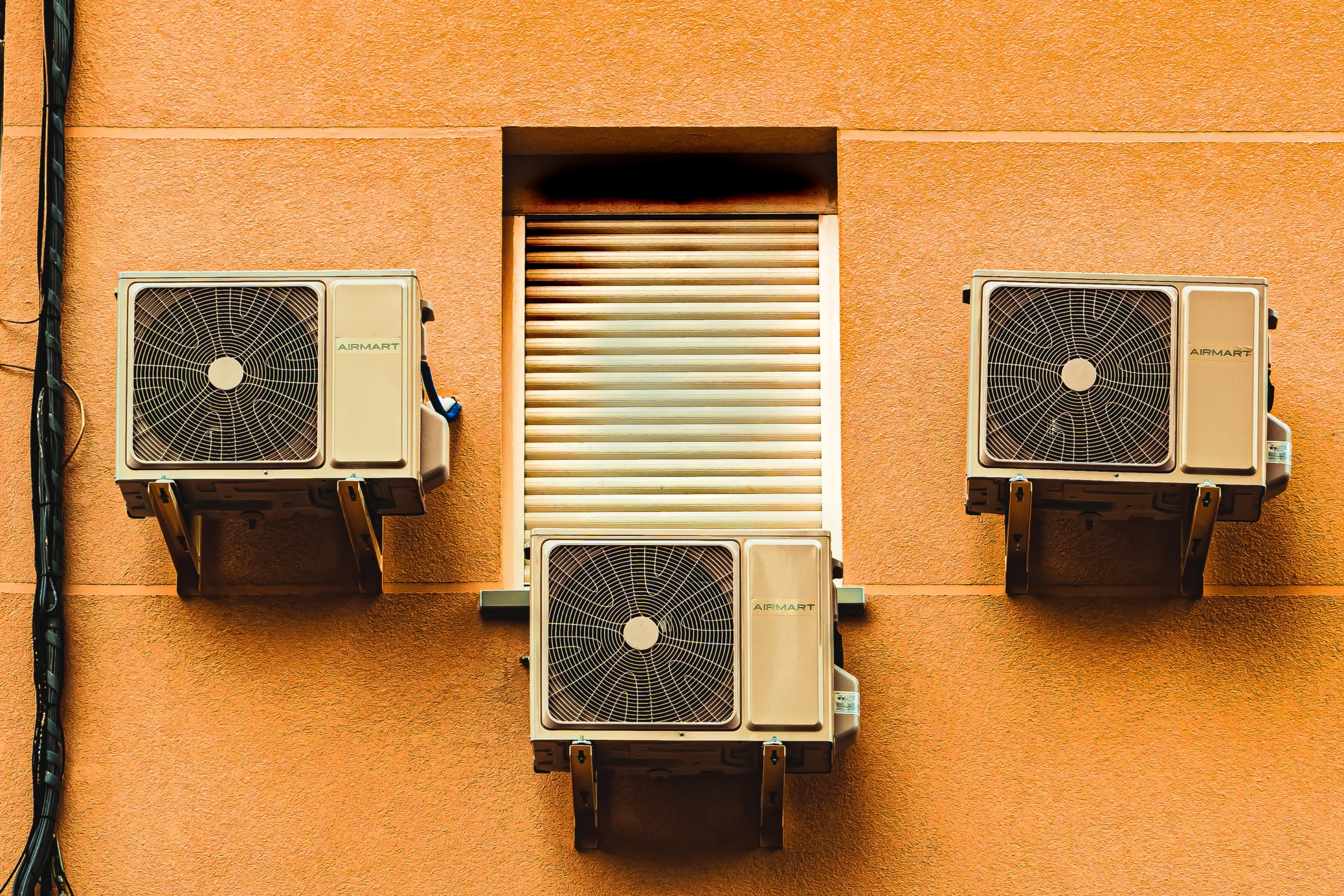
An HVAC system’s performance depends on many factors, from airflow and thermostat settings to equipment age and refrigerant levels. Among these, installing the refrigerant line set plays a critical role in ensuring efficiency and reliability. These copper lines transport refrigerant between the indoor evaporator coil and the outdoor condenser, allowing the system to absorb and release heat effectively. If installed improperly, line sets can introduce leaks, pressure drops, or thermal losses, reducing system output and increasing energy consumption. Proper installation, including correct insulation, sizing, and routing, maintains refrigerant flow, preserves system balance, and helps HVAC units operate at peak efficiency over their lifespan.
What This Article Covers
- How Refrigerant Flow Affects HVAC Efficiency
Refrigerant line sets are designed to carry the cooled or heated refrigerant between the indoor and outdoor components of an HVAC system. Any deviation in diameter, excessive bends, or improper routing can create resistance and reduce refrigerant flow, causing the compressor to work harder. Inadequate flow may prevent the evaporator coil from absorbing enough heat, leaving conditioned spaces uncomfortable and driving energy use higher. Long or poorly insulated lines increase the risk of thermal loss, causing the system to compensate for lost energy. Additionally, improperly sized line sets can cause uneven pressure distribution, which may damage the compressor or shorten its lifespan. Proper attention to these factors ensures that refrigerant circulates efficiently, allowing the system to maintain temperature goals without unnecessary strain on equipment. Using high-quality components, appropriate line lengths, and precise installation methods minimizes energy waste and prolongs unit performance.
- Importance of Insulation and Temperature Control
Line set insulation is essential for preventing energy loss and maintaining efficient heat transfer. Without proper insulation, refrigerant lines can absorb unwanted heat from the surrounding environment or lose energy in cold conditions, reducing the cooling or heating potential. Moisture condensation can form on uninsulated lines, potentially dripping onto equipment or causing corrosion over time. Installing insulation with consistent coverage and secure attachment minimizes these issues, ensuring that refrigerant temperature remains stable as it travels through the system. The placement of bends, supports, and wall penetrations also matters; sharp bends or sagging can reduce flow efficiency and promote refrigerant pooling. Using recommended materials, proper thickness, and attention to environmental conditions ensures the system operates within its designed parameters. High-quality installation, combined with adequate insulation, maintains efficiency, reduces strain on compressors, and prevents the unnecessary cycling of HVAC equipment, which otherwise increases energy bills.
- Line Set Length and Routing Considerations
The length and routing of the refrigerant line set directly impact the overall performance of an HVAC system. Excessively long runs or lines with numerous bends can increase friction and pressure drop, reducing the refrigerant’s ability to transfer heat effectively. Poorly planned routes may require the compressor to operate at higher capacity, consuming more energy and accelerating wear on system components. Proper installation ensures that line sets are as direct as possible, avoiding unnecessary curves and elevations. Using recommended fittings, secure mounting, and continuous support prevents kinking or sagging. When installed according to manufacturer guidelines and industry standards, HVAC systems maintain steady refrigerant flow, enabling efficient heat exchange. Homeowners and installers can consult sources such as https://ad.engineering/linesets/ for guidance on proper sizing, materials, and routing techniques to achieve optimal efficiency. Following these practices minimizes energy loss and extends the system’s lifespan while maintaining comfortable indoor conditions.
- Pressure Balance and System Longevity
Correct installation of the refrigerant line set preserves the pressure balance within an HVAC system, which is crucial for consistent performance. An imbalance caused by leaks, improper diameter, or excessive bends forces the compressor to overwork to maintain desired temperature levels. Over time, this additional stress increases the likelihood of component failure, including compressors, valves, and evaporator coils. Maintaining proper pressure reduces the risk of overheating, energy inefficiency, and costly repairs. Regular inspections and adherence to manufacturer recommendations ensure that line sets do not introduce unnecessary pressure variations. Proper flare connections, brazing techniques, and leak testing all contribute to system stability. Balanced pressure flow not only enhances immediate performance but also protects long-term operational reliability. By ensuring that line sets are installed correctly, HVAC systems can consistently deliver the intended cooling or heating capacity without undue strain on mechanical parts.
- Safety and Environmental Impact
Proper installation of refrigerant line sets also affects safety and environmental considerations. Refrigerants are sensitive chemicals, and leaks can pose risks to both occupants and the environment. Incorrect connections, insufficient brazing, or damaged insulation can release refrigerant into the atmosphere, contributing to greenhouse gas emissions and potentially violating regulations. Installing lines according to standards ensures containment and reduces the likelihood of leaks. Proper routing, secure mounting, and avoidance of physical damage during construction or renovations help prevent accidental release. Efficient line sets minimize energy waste, thereby indirectly reducing the overall carbon footprint by lowering electricity consumption. In addition, safe installations protect HVAC professionals and building occupants from exposure to high-pressure refrigerant. These precautions demonstrate that thoughtful line set installation benefits not only system efficiency but also broader health, safety, and environmental objectives.
Proper refrigerant line set installation is a foundational factor in HVAC efficiency, performance, and longevity. Well-sized lines, careful routing, adequate insulation, and balanced pressure flow ensure that refrigerant circulates effectively between indoor and outdoor components. Attention to installation techniques prevents leaks, reduces energy consumption, and minimizes wear on mechanical parts. Efficient line sets maintain temperature stability, promote comfort, and reduce operational costs over time. They also support environmental safety by preventing refrigerant release and reducing energy-related emissions. Ultimately, precise installation practices protect both the system and occupants while allowing HVAC units to operate reliably, effectively, and sustainably throughout their intended lifespan.
 IQnewswire
 Kaif
Kaif