
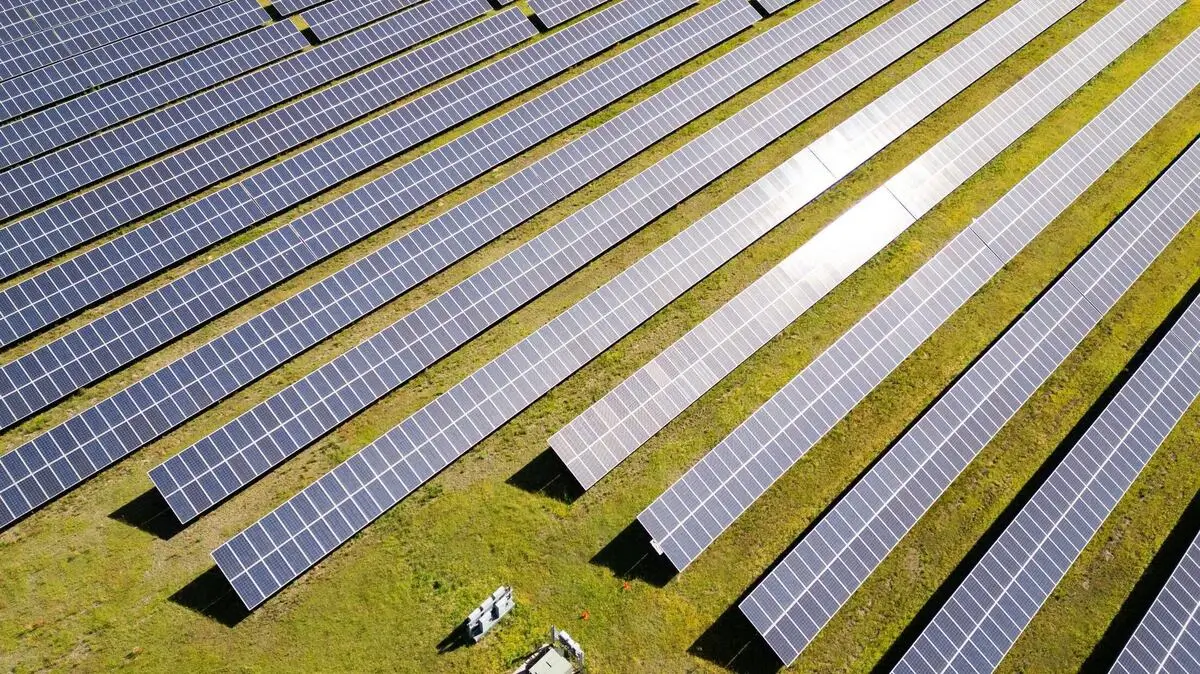
Extreme heat has become a growing concern in many parts of the country, and it can affect more than personal comfort and safety. High temperatures can also influence the performance of solar power equipment, even in systems designed to operate in full sun. While sunlight is necessary for solar energy production, excessive heat can reduce efficiency and place added stress on several parts of a solar power system.
Solar Panels: Loss of Efficiency
Solar panels generate electricity from sunlight, yes, but they actually operate more efficiently in cooler temperatures. As the temperature of your panels rises, their electrical resistance increases, causing output to drop. In an extreme heatwave, your rooftop panels can reach temperatures over 140 degrees Fahrenheit. While they’ll still generate power, even in that kind of heat, their efficiency can drop by up to 25% when compared to their energy production in ideal conditions. This results in lower energy production despite clear skies and ample sunshine.
Inverters: Added Stress and Possible Shutdowns
The inverter is the heart of your solar power system, turning DC electricity into usable AC power. Extreme heat places additional stress on the delicate electronic parts in this critical piece of equipment. Modern inverters do have thermal protection features that reduce power output or temporarily shut down the unit to protect it from damage when internal temperatures get too high. In a prolonged heatwave, you may have to put up with frequent throttling of your output, reducing your system’s production, and may even have your system shut down entirely to protect it from the heat.
Batteries: Reduced Long-Term Capacity
Battery storage systems are even more vulnerable to high temperatures than most solar components. Consistent exposure to high temperatures can speed up chemical degradation within the battery, which shortens their lifespan. Lithium-ion batteries are commonly used in solar storage systems now, specifically because they have advanced temperature management systems to help reduce the likelihood of this happening. But if your batteries are being consistently exposed to high temperatures, you’ll still likely see a reduction in their long-term capacity.
How to Prevent the Problem
You can’t control the temperatures, but you can ensure that your solar power system is properly installed with temperature regulation systems built in. For example, adequate airflow beneath panels can reduce heat buildup and improve overall performance. Installing inverters in shaded spots can keep them cooler and minimize heat-related issues. Ensuring BYD batteries are placed in a climate-controlled area with proper ventilation can help them last longer as well. These little things really add up over time by protecting your equipment from thermal troubles year after year, because you can be sure that more heatwaves will come.
 IQnewswire
 Kaif
Kaif