
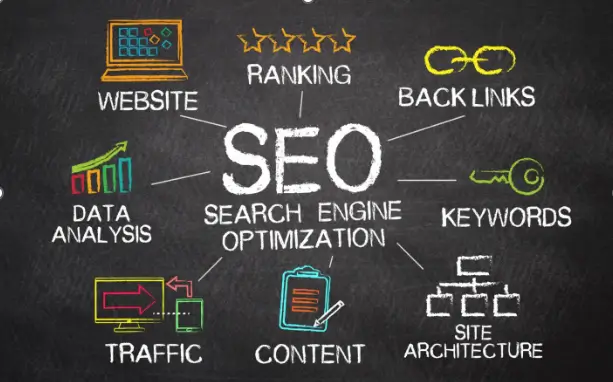
Discover how a small service business improved online visibility, increased leads, and reached Google’s first page using smart SEO strategies and website optimization.
In today’s competitive digital world, simply having a website is not enough. Thousands of small businesses launch websites every year, but only a small percentage actually appear on the first page of Google. For service-based businesses, visibility in search results can directly impact leads, phone calls, and long-term growth.
This is the story of how a small service business went from having almost no online visibility to ranking on Google’s first page through a strategic SEO approach. The journey was not instant, but with consistent optimization and the right digital strategy, the results became transformational.
The Initial Problem
The business had a professional website, quality services, and positive customer reviews. However, the website was receiving very little organic traffic. Most leads were coming through referrals and paid ads, which made growth expensive and inconsistent.
Several issues were affecting their search visibility:
- Poor keyword targeting
- Slow website speed
- Weak local SEO presence
- Minimal content on important service pages
- Very few backlinks
- Unoptimized headings and metadata
Despite offering excellent services, the business struggled to compete with companies already dominating Google search results.
Step 1: Understanding the Right Keywords
The first step was identifying what potential customers were actually searching for online. Instead of targeting broad and highly competitive keywords, the focus shifted toward local and service-specific search terms.
For example, rather than trying to rank generic phrases, the business targeted keywords related to specific services and local areas. This helped attract users with stronger buying intent.
Keyword research also revealed several opportunities competitors were missing. These included long-tail search phrases, local service searches, and problem-solving queries.
Step 2: Improving Website Structure and On-Page SEO
Once the keywords were finalized, the next phase focused on optimizing the website itself.
Several important changes were implemented:
- SEO-friendly title tags
- Better H1 and H2 heading structure
- Optimized image alt text
- Internal linking improvements
- Faster page loading times
- Mobile-friendly design updates
The service pages were rewritten to provide more value and clearer information for users. Instead of keyword stuffing, the content was designed to answer real customer questions naturally.
According to Google Search Central, high-quality and user-focused content plays a major role in improving search performance.
These on-page improvements made the website easier for both users and search engines to understand.
Step 3: Strengthening Local SEO
For service businesses, local SEO can be one of the most powerful growth strategies.
The company optimized its Google Business Profile, updated business information across directories, and improved location-based content throughout the website.
Important local SEO actions included:
- Adding location-specific service pages
- Collecting customer reviews
- Optimizing business descriptions
- Building local citations
- Embedding Google Maps on key pages
Within a few months, the business started appearing in local search results and Google Maps listings for important service keywords.
This significantly increased phone calls and local inquiries.
Step 4: Creating Helpful Content
Content marketing became another important part of the SEO strategy.
Instead of publishing random blog posts, the business focused on educational and problem-solving content related to customer needs.
Topics included:
- Common service problems
- Maintenance tips
- Industry trends
- Frequently asked questions
- Service comparison guides
This content helped build trust while also increasing keyword coverage across the website.
Additionally, each article created opportunities for internal linking and better website engagement.
Professional SEO services often use content marketing strategies to help businesses strengthen topical authority and improve long-term search rankings.
Step 5: Building High-Quality Backlinks
Backlinks remained one of the most important ranking factors during the campaign.
The business focused on earning links through:
- Guest posting
- Local business directories
- Industry-related blogs
- Partnerships and collaborations
- Informational resources
Instead of chasing large quantities of low-quality links, the strategy focused on relevance and trust.
Resources from platforms like Moz SEO Learning Center helped guide the backlink strategy and best practices.
Over time, the website’s authority improved steadily, helping service pages move higher in search rankings.
Step 6: Monitoring Performance and Making Adjustments
SEO is never a one-time process. Rankings constantly change, competitors update their websites, and Google regularly adjusts its algorithms.
The business continuously tracked:
- Keyword rankings
- Organic traffic
- Bounce rates
- Conversion rates
- Click-through rates
- User engagement
Pages that performed well were expanded further, while weaker pages were optimized again based on user behavior and search trends.
This ongoing improvement process played a major role in maintaining ranking growth.
The Results After Several Months
The results did not happen overnight, but consistency delivered significant improvements.
After several months of strategic SEO work, the business achieved:
- First-page rankings for multiple local keywords
- Increased organic website traffic
- Higher lead generation
- Improved Google Maps visibility
- Better website engagement
- Reduced dependence on paid advertising
Most importantly, the business established a stronger online presence that continued generating long-term traffic and leads.
Lessons Learned from the Journey
This SEO journey highlights several important lessons for small businesses:
SEO Takes Time
There are no instant results in SEO. Consistency and patience are essential for sustainable growth.
User Experience Matters
Google rewards websites that provide clear, fast, and valuable experiences for users.
Local SEO Is Powerful
For service businesses, local optimization can drive highly targeted traffic and leads.
Content Builds Authority
Helpful and informative content improves trust, visibility, and keyword reach.
Quality Over Quantity
Whether it is backlinks, content, or keywords, quality always performs better than shortcuts.
Final Thoughts
Going from zero visibility to first-page rankings is absolutely possible for small service businesses. The process requires strategy, consistency, and a strong understanding of how search engines and users interact online.
SEO is not just about rankings — it is about building trust, increasing visibility, and creating long-term business growth.
For businesses looking to improve their digital presence, investing in professional SEO strategies can become one of the most valuable long-term decisions they make.
 IQnewswire